


Restaurant Lighting & Cafe Lighting
Lighting Guide
Cafes and restaurants are more than just great food. Factors such as service, ambiance, and aesthetics combine to round out the experiences. The best of these establishments provide an appealing environment in which customers can enjoy their food and beverages thus encouraging them to return. Designing a thoughtful lighting plan is a significant part of creating an enjoyable experience. Whether it be a local brunch spot, regular coffee shop, or a fine dining establishment, each of these businesses have a unique lighting design curated for their desired customer demographic.
When considering the lighting for an eatery, it is important to remember that all areas of a cafe or restaurant are also subject to workplace regulations. This includes minimum lighting requirements for both public areas and spaces that are generally out of view such as the kitchen. Being familiar with the specific requirements as well as understanding which lighting products can accomplish your goals is an important part of designing a lighting plan. For dining areas where ambiance and visual presentation matter, Art Gallery Lighting can be an excellent choice, offering focused illumination that enhances atmosphere while meeting performance standards.
Front Of House
The dining areas of a cafe or restaurant should be lit in a way that is appropriate for the desired mood or feel. Whether the business will operate primarily in the daytime or evening will also dictate the types of lighting required. In these spaces, functionality of the lighting as well as a high aesthetic quality that is consistent with the surrounds is essential. It is important to keep in mind that public spaces are subject to specific lighting regulations so decisions on overall design should recognise this.

Kitchen
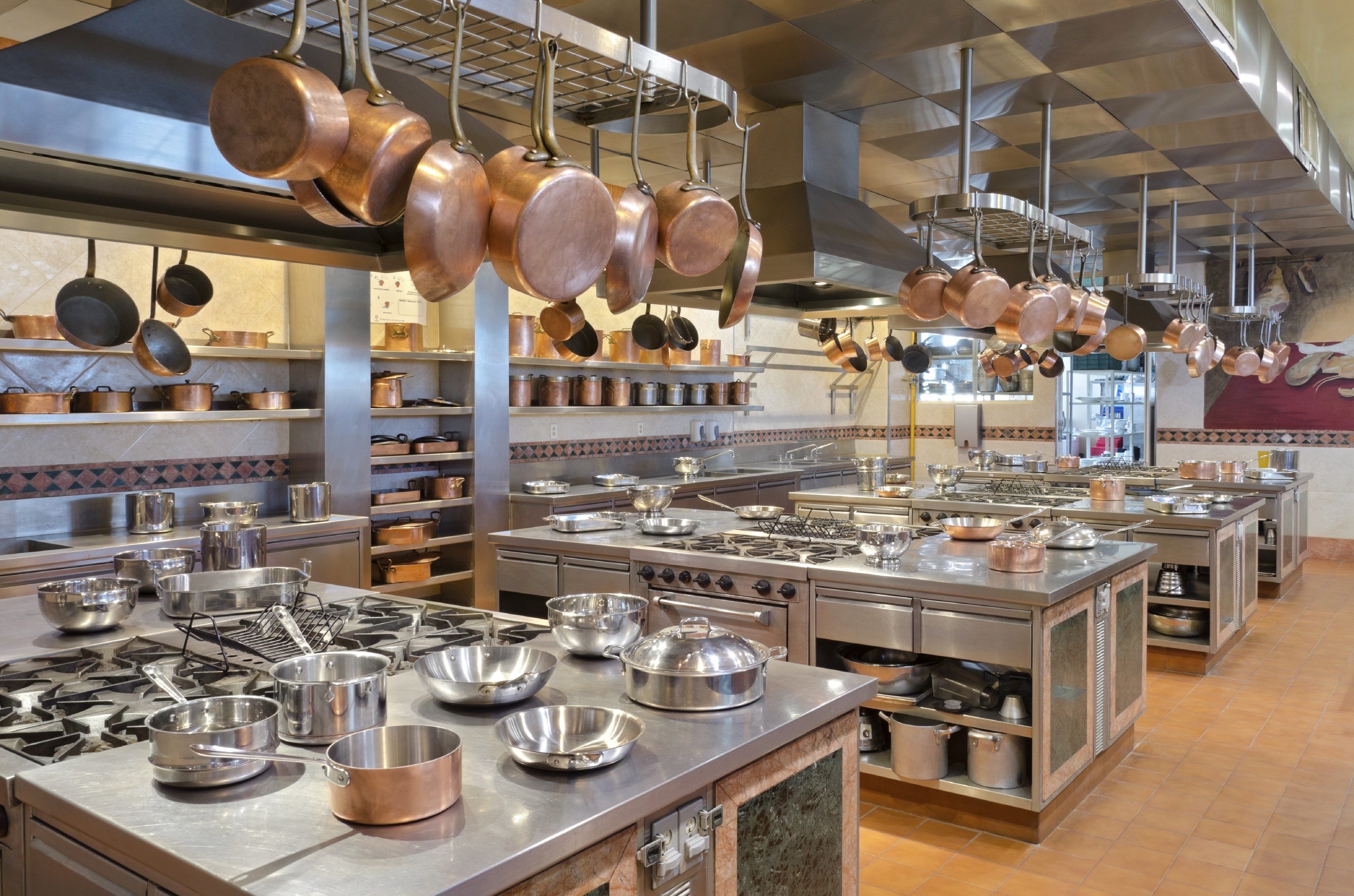
Functionality is the main concern when choosing lighting for an specialised area such as the kitchen. Choosing lights that will fulfill these needs and workplace requirements is of high importance. Recessed lighting is a good option for these areas as it mitigates the risk of dust settling on light fittings and contaminating prepared food.
Bathrooms & Amenities
Although it is often overlooked, the bathroom should be visually appealing for customers. It is important to consider the bathroom as an extension of the overall restaurant design. While not the most critical area, a well-appointed bathroom displays attention to detail that customers notice. Depending on the size of your establishment, the bathroom may only be used every so often. Lights that are on a timer or sensor can be a good way to avoid unnecessary energy consumption.

Colour Rendering Index


Colour rendering refers to the way that a light source impacts the way a colour is seen by the human eye and how colour variations and shades are interpreted. The Colour Rendering Index or CRI is a scale from 1 to 100.
The main focus of any restaurant or cafe is the food. Studies suggest that food that is visually appealing actually tastes better, hence getting the CRI correct is important for customer satisfaction and to keep them coming back. In cafes and restaurants the minimum standard of 80 is required, however a CRI closer to 90 – 95 is better.
Products
Track Lighting
Track lighting is perfect for restaurants and cafes that have an adaptive seating plan. The track lighting system lets you slide fittings along the track and rotate the light in various directions without requiring the specialised help of an electrician. This ensures that no matter what the table arrangement, your customers have optimal light.
Lighting as Part of the Dining Experience
In restaurants and cafes, lighting is inseparable from the dining experience. Guests may remember the food and service, but lighting shapes how they feel while they eat. It influences comfort, mood, perception of quality, and even how long customers stay.
Well designed lighting encourages guests to relax, enjoy their meal, and linger longer. Poor lighting can make food look unappealing, create harsh shadows on faces, and make spaces feel uncomfortable or overly bright. In hospitality settings, lighting is not just functional. It is emotional.
Successful restaurant and cafe lighting balances atmosphere with practicality while meeting workplace regulations and operational needs.
Understanding Different Hospitality Formats
Lighting requirements vary significantly depending on the type of venue.
A daytime cafe relies on bright, welcoming light that complements natural daylight and supports a lively atmosphere. A fine dining restaurant typically requires lower light levels, warmer tones, and more contrast to create intimacy. Bars and wine venues often transition from brighter service lighting to mood focused evening scenes.
Because many hospitality venues operate across multiple dayparts, lighting needs to be adaptable. A single static lighting scheme rarely works well from morning to night.
Ceiling Types in Restaurants and Cafes
Ceiling construction plays a major role in determining lighting options.
Concrete Ceilings
Concrete ceilings are common in converted warehouses, industrial style cafes, and modern hospitality fit outs. These ceilings typically have no cavity, making recessed downlights difficult or impossible.
Track lighting is an ideal solution for concrete ceilings. It can be surface mounted directly to the slab and provides directional control without cutting holes. Track systems also support changing table layouts and furniture arrangements.
Suspended linear lighting and pendants are also effective where ceiling heights allow. These bring light closer to tables and counters, improving intimacy and visual comfort.
Plasterboard Ceilings
Plasterboard ceilings are common in smaller restaurants, cafes, and tenancy fit outs. These ceilings may allow recessed lighting, but cavity depth is often limited by services such as air conditioning and fire systems.
Even where downlights are possible, track lighting remains popular for hospitality because it offers flexibility. Tables move. Seating changes. Track heads can be repositioned without rewiring or ceiling repairs.
Exposed Ceilings
Many hospitality venues embrace exposed ceilings for an industrial or contemporary aesthetic. In these spaces, lighting becomes part of the visual identity.
Track lighting, suspended pendants, and linear profiles complement exposed ceilings while delivering strong functional light.
Table Lighting and Guest Comfort
One of the most important aspects of restaurant lighting is how tables are lit.
Lighting should illuminate food clearly without creating glare or harsh shadows on faces. Overhead lighting alone often causes shadows under eyes and noses, making guests look tired or uncomfortable.
The most effective table lighting uses a combination of:
-
Focused light directed toward the tabletop
-
Soft ambient light surrounding the dining area
-
Warm colour temperatures that flatter skin tones
Track lighting allows fittings to be aimed precisely at tables, ensuring consistent illumination even as seating arrangements change.
Pendant lighting over tables can also work well, particularly in venues with higher ceilings. These fixtures create intimacy and visual rhythm across the space.
Food Presentation and Colour Rendering
Food presentation is central to customer satisfaction. Studies consistently show that visually appealing food is perceived as tasting better.
Lighting with poor colour rendering can make food appear dull, grey, or unnatural. Greens lose vibrancy. Meats look flat. Sauces and textures lose depth.
High CRI lighting ensures food appears fresh, vibrant, and true to colour. In hospitality environments, a CRI of 90 or higher is strongly recommended, particularly in dining areas and open kitchens.
Good colour rendering also improves photography. Many customers photograph their meals and share them online. Lighting that supports natural looking photos enhances organic marketing and brand perception.
Front of House Versus Back of House
Lighting requirements differ significantly between front of house and back of house areas.
Front of House
Front of house lighting focuses on atmosphere, comfort, and presentation. Light levels are typically lower than in work areas, but still must meet minimum standards.
Dimming is particularly important here. Being able to adjust light levels throughout the day allows venues to transition smoothly from breakfast or lunch service into evening dining.
Kitchens and Preparation Areas
Kitchens require bright, even lighting that supports safety, cleanliness, and efficiency. Functionality takes priority over ambience.
Recessed lighting is often preferred in kitchens to reduce dust accumulation and maintain hygiene standards. Colour temperature is typically neutral to cool white to support visibility and accuracy.
Zoning and Layout Flexibility
Restaurants and cafes often change layouts to accommodate different service styles, events, or seasonal seating.
Lighting should support this flexibility. Track lighting systems allow fittings to be moved and aimed as tables shift or new zones are created.
Zoning with light can also help define different areas within the same space:
-
Brighter lighting near service counters
-
Softer lighting in dining zones
-
Accent lighting for feature walls or artwork
This approach creates visual structure without physical barriers.
Colour Temperature and Mood
Colour temperature plays a major role in setting the mood.
Warm white lighting around 3000K is commonly used in dining areas because it creates a relaxed and inviting atmosphere. It flatters skin tones and enhances the warmth of food.
Neutral white lighting may be used in transitional spaces or during daytime service to maintain clarity.
Very cool lighting is generally avoided in dining areas as it can feel clinical and uninviting.
Many venues benefit from using multiple colour temperatures across different zones and times of day.
Lighting Controls and Energy Efficiency
Lighting controls are essential in hospitality environments.
Dimming allows light levels to be adjusted for different service periods. Scene controls make it easy for staff to switch between day and night settings.
Sensors and timers can be used in bathrooms, storage areas, and back of house spaces to reduce energy consumption.
LED lighting offers high efficiency, long lifespan, and reduced maintenance. This is particularly important in venues that operate long hours and seven days a week.
Compliance and Regulations
Restaurants and cafes are workplaces and must comply with lighting regulations.
Minimum light levels apply to both public areas and staff only spaces. Emergency lighting, exit signage, and path lighting must be integrated into the overall lighting plan.
A compliant lighting design protects staff safety and ensures smooth approvals during inspections.
Creating a Memorable Atmosphere
Ultimately, restaurant and cafe lighting should support the identity of the venue.
Whether the goal is casual and bright, intimate and refined, or bold and energetic, lighting plays a central role in delivering that experience.
When lighting is thoughtfully designed, guests feel comfortable, food looks better, and the space feels intentional. These factors combine to encourage repeat visits and positive word of mouth.

Track Lighting
Track lighting is suitable for a range of commercial and residential applications. The major appeal of track lighting is its versatility and adaptability. The LED World track lighting collection offers endless configurations possibilities that will create a quality lighting design for your project.
Projects
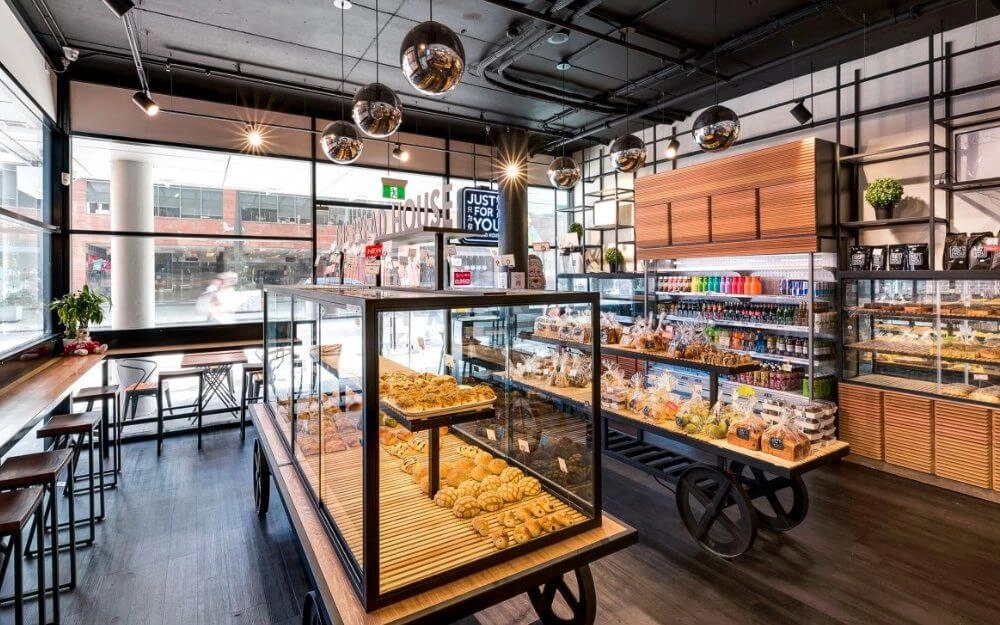
The Bread House
This artisan bakery cafe located in downtown Perth features high ceilings and a strong industrial interior design. Suspended black track with 40W track heads were installed in the charming eatery. The matte black finishes were specified to enhance the industrial feel. Warm white lighting (3000K) was installed to create a welcoming dining atmosphere.
Simon Mundine
LED World Director

